Audio comes first
I write every lesson to be listened to from the very first draft, so everything you need is said out loud.
OpenEars is my answer to a simple frustration: a curious student should be able to learn how the body works and explore science by listening to a clear explanation.
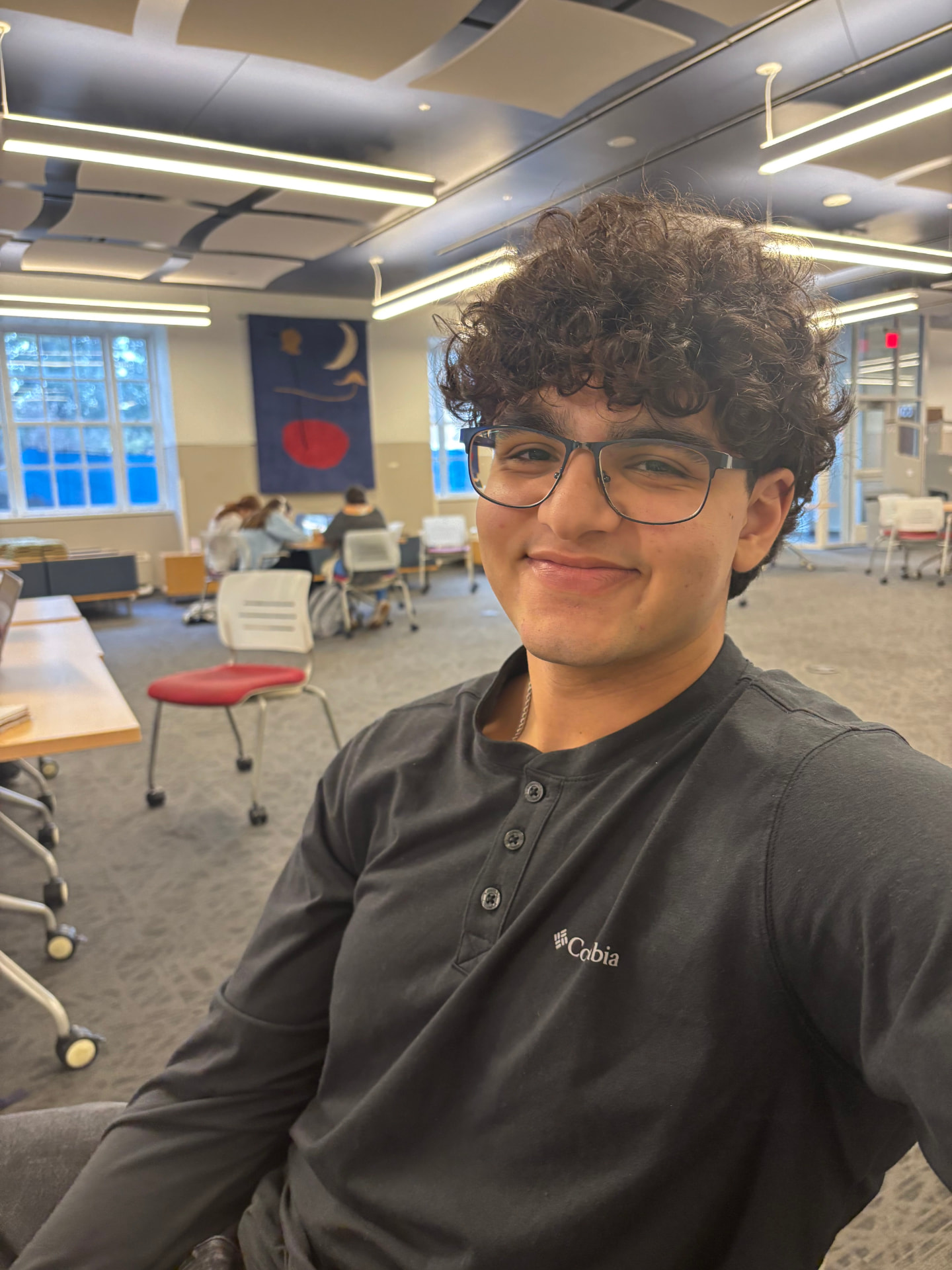
Seif Eid, founder and voice behind the lessons
I'm Seif Eid, a pre-med biology and psychology student at Southern Methodist University in Dallas, Texas. I started OpenEars because I kept noticing how much of science class assumes you can see. Diagrams, dense pages, screens that were never really designed with every student in mind.
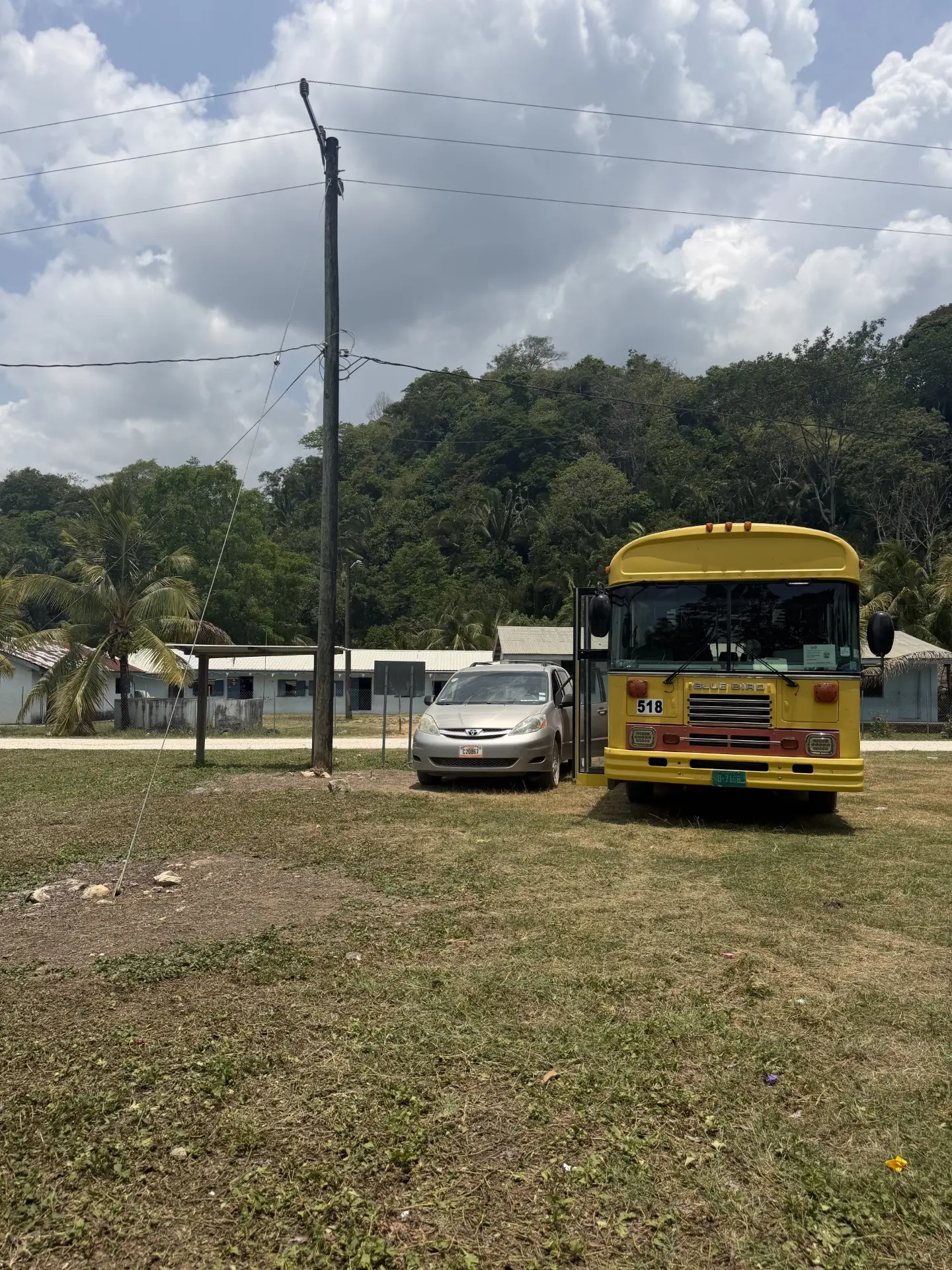
Then in the summer of 2026 I went to Belize on a medical volunteering trip. I sat with kids who asked better questions than I did at their age and had almost nothing to learn from. Some had no lab, library, or even a book. It opened my eyes to how unevenly educational resources are spread across the world, and it pushed me to build something anyone could reach: free, offline, and made to be listened to.
The more I looked, the clearer it got: there just aren't many friendly science and medical resources made from the start for students who are blind, visually impaired, or simply learn better by listening. That bothered me. So I started recording short, story-based lessons about the body, biology, and first aid. More chapters, including conditions and medical careers, are on the way. I explain it in a way you can follow with your eyes closed.
I write every lesson like I'm explaining it to a friend, record it myself, and built the app so a screen reader can move through it easily. I'm not trying to make science sound fancy. I want it to feel possible. If you're curious about medicine or the human body, I want you to have a place where you can press play, take your time, and learn at your own pace.
I write every lesson to be listened to from the very first draft, so everything you need is said out loud.
Lessons start in plain everyday language and go deeper from there. Nobody talks down to you.
Students, parents, teachers, career changers. If you want to learn, you're in.
I welcome messages from teachers, students, parents, and people who work in accessibility. If a lesson could be clearer, or a topic is missing, I want to know.